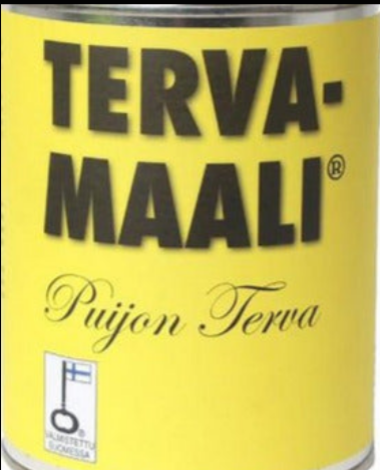
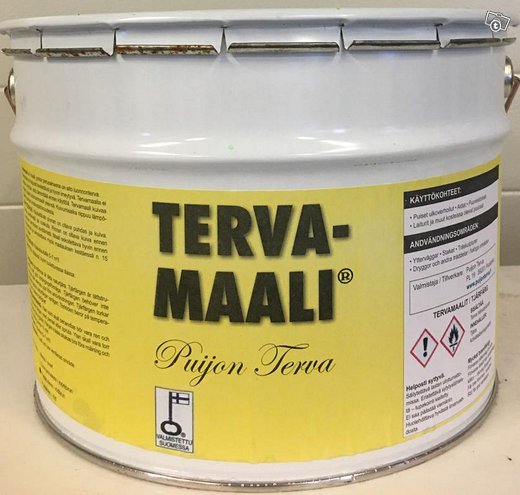
Puijon Terva
Tar paint black
Tar paint black
Couldn't load pickup availability
TAR PAINT
The genuine and original
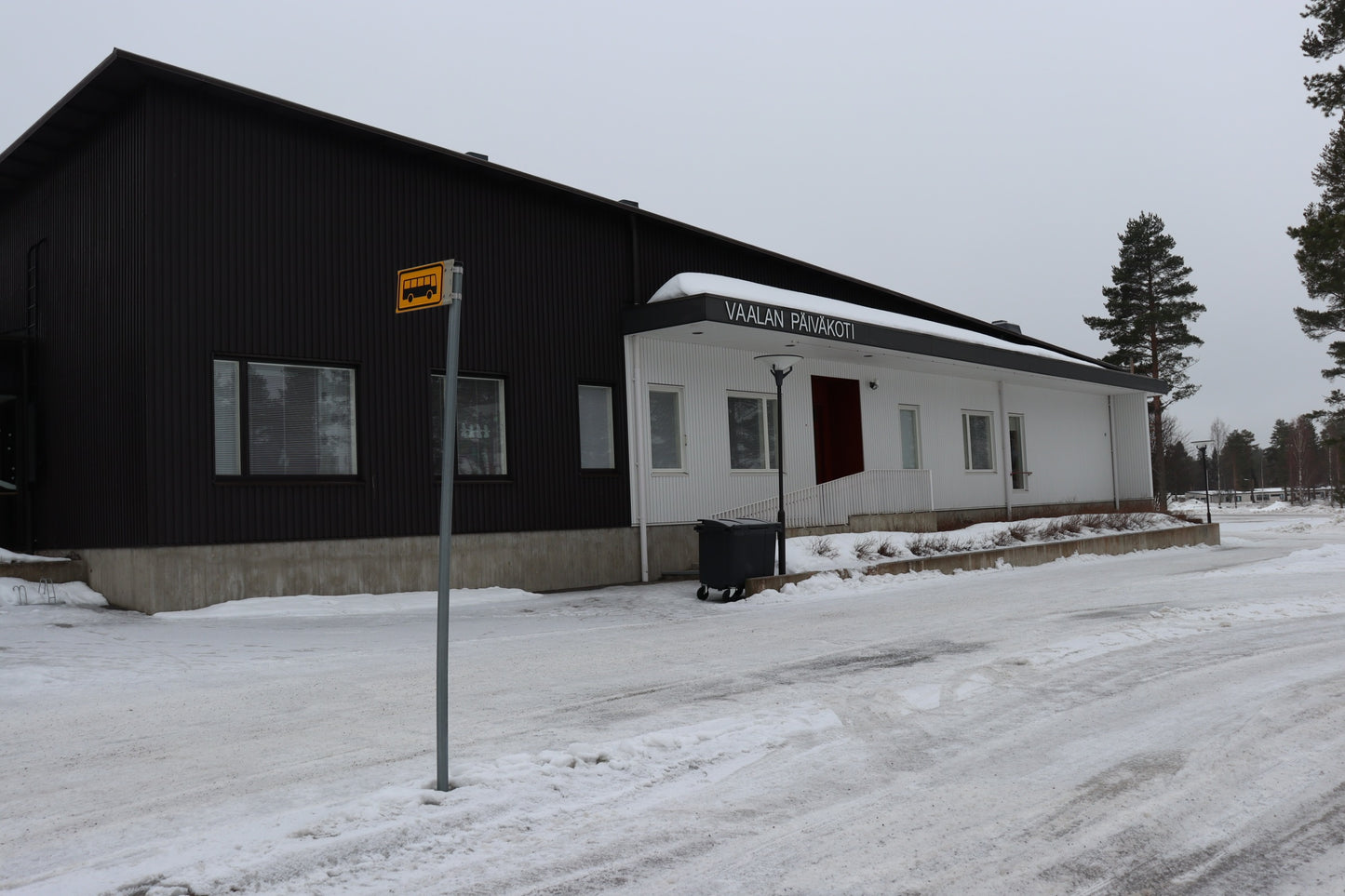
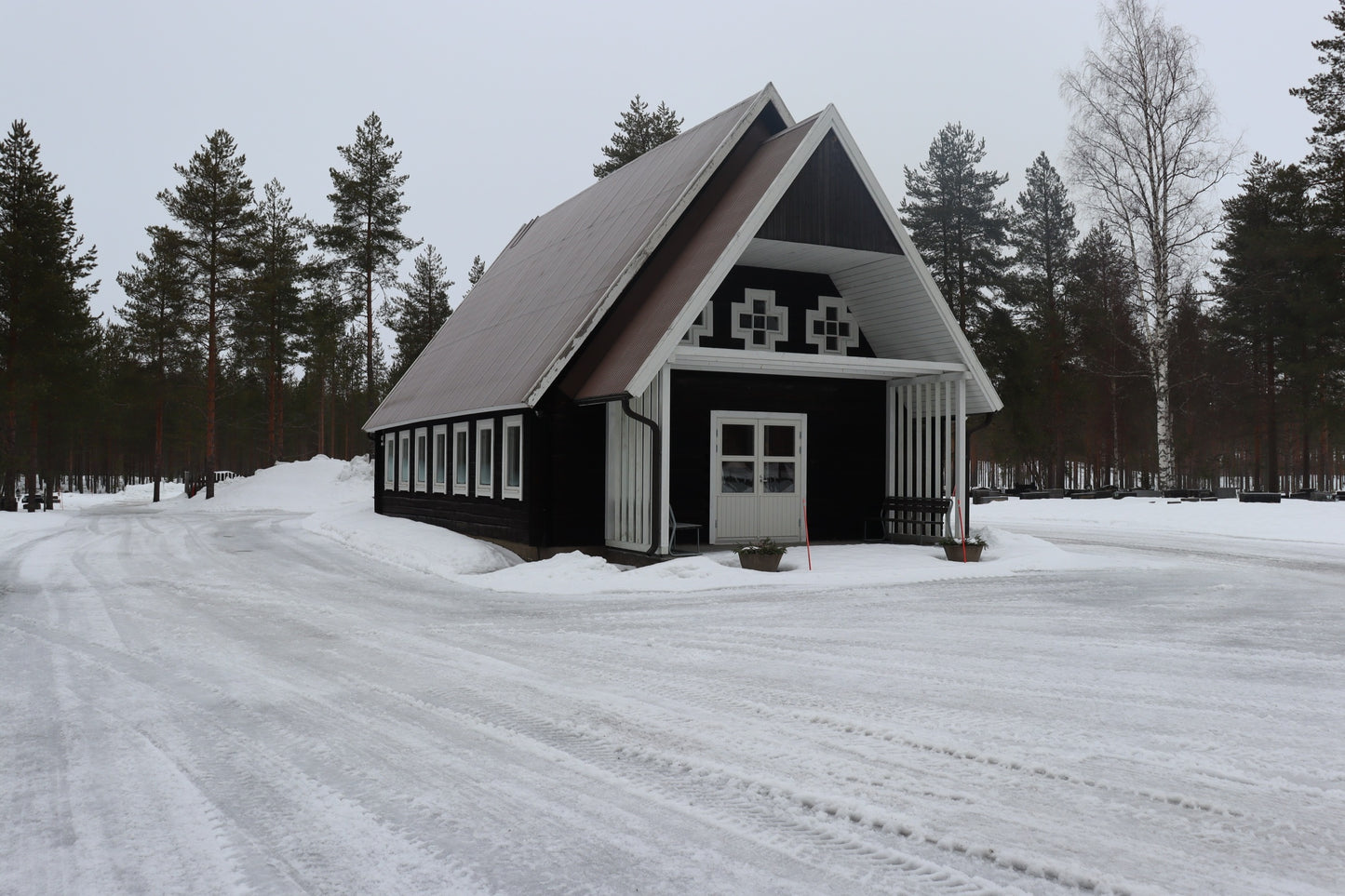
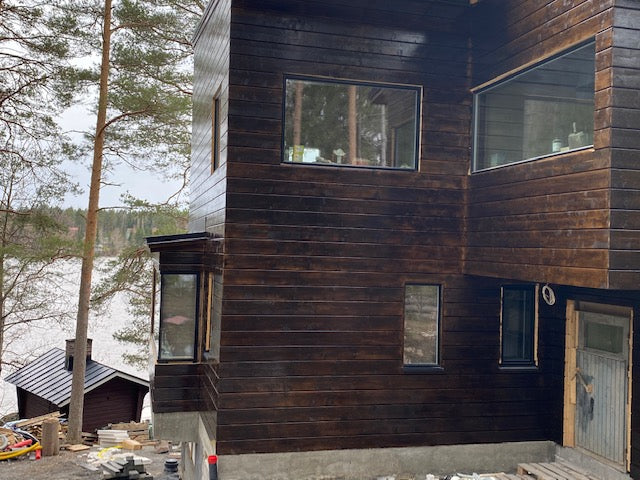
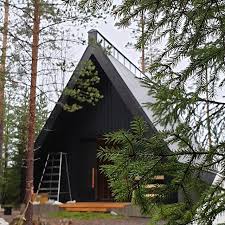
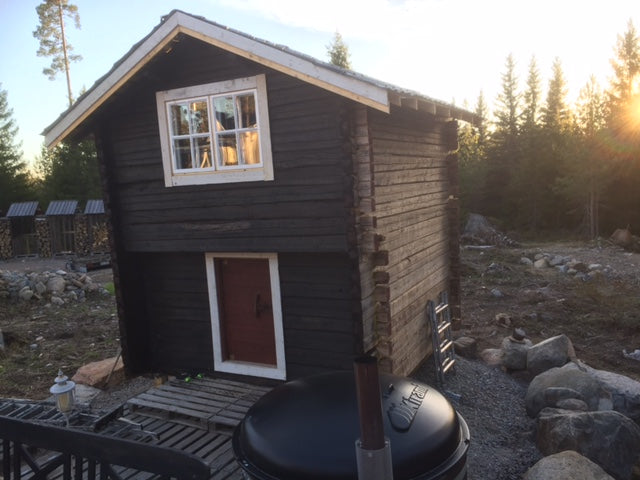
Tar paint is a traditional, breathable, and ecological option for protecting wooden surfaces, such as plank and log structures. It is especially suitable for outdoor use. For example, for log houses, plank-clad houses, holiday homes, outbuildings, and fences. Tar paint is also used in public buildings, such as schools, kindergartens, churches, as a protective coating and paint for exterior wood cladding, and for wood cladding of industrial buildings.
Tar paint is a traditional wood treatment with several advantages, especially for building wood cladding and log houses.
1. Protection against weather effects
- Water repellent: Tar forms a protective layer on the wood surface, preventing water absorption and reducing the risk of rot.
- UV protection: Prevents the harmful effects of sunlight and slows down the graying of wood.
2. Breathability and moisture regulation
- Does not form a film: Unlike many modern paints, tar paint does not seal the wood surface but allows moisture to evaporate, preventing mold and rot formation.
3. Naturalness and ecological aspects
- Non-toxic and biodegradable: Made from natural raw materials such as wood tar, linseed oil, and pigment. Contains no plastics or synthetic compounds.
4. Properties of tar paint
- Maintains the wood's natural moisture balance – Does not prevent moisture from moving within the wood.
- Protects against weather stress – Highly resistant to UV radiation and moisture.
- Antiseptic and mold-inhibiting properties – Tar effectively prevents rot and mold damage.
- Long-lasting – Does not flake, but wears away naturally over the years.
5. Suitability for plank and log surfaces
- New surfaces: Suitable for both planed and sawn wood. Sawn surfaces absorb tar paint better.
- Old wood: Can also be used on previously tarred or untreated wood surfaces. Not recommended over paints that form a film.
- Treatment: The best result is achieved by applying tar paint thinly several times.
- Also suitable for extending the lifespan of felt roofs and repairing micro-cracks in the felt.
6. Manufacturing and application
- Ingredients: Traditionally made from pine kiln tar.
- Application: A brush is the best tool. Heated tar (40-65 C) penetrates deeper into the wood.
- Drying time: Depends on weather conditions and wood absorbency, but can be several days or even weeks.
7. Easy maintenance
- Does not flake or chip: Wear occurs evenly, so the surface can be maintained without completely removing old paint. Usually, just brushing the old paint surface is sufficient. A new layer of tar absorbs well into the old one.
- Long-lasting: With proper maintenance, tar paint can last for decades. You save on less frequent repainting. Maintenance painting is also easy to do yourself.
8. Traditional and beautiful appearance
- Suitable for old and traditional buildings, as well as new and modern buildings, even in zoned areas: Tar paint gives wood surfaces a valuable, deep, and natural shade that darkens beautifully over time.
- Available in different shades: Traditionally, tar paint is dark, but with pigments, deadwood gray, moss green, reddish and brownish shades, and charcoal black can also be achieved. You can mix different colored tar paints. For example, if you want a very dark brown, you can mix black and dark brown tar paints.
Tar paint is a good choice if you want a durable, natural and traditional painted finish for a wooden surface.
Tar paint and other tar-based substances protect particularly against the following insect pests:
- Common furniture beetles (Anobium punctatum) – One of the most common wood-destroying insects, especially in old buildings and furniture.
- House longhorn beetles and violet tanbark beetles (Hylotrupes bajulus, Callidium violaceum, etc.) – Insects whose larvae eat wood and can cause significant damage to structures.
- Wood wasps (Siricidae family) – Larvae penetrate wood and bore tunnels inside it.
- Deathwatch beetle (Xestobium rufovillosum) – A larger and more dangerous insect pest than the common furniture beetle, which especially attacks damp and decaying structures.
- Ants (especially carpenter ants, Camponotus spp.) – They don't actually eat wood, but they can bore into it to make nests, especially in rotten or damp wood.
Tar works against insect pests in several ways:
✔️ Its strong smell and chemical compounds repel insects.
✔️ It penetrates the wood, making it less attractive as an egg-laying site.
✔️ Tar contains natural antiseptic and fungicidal agents that prevent mould and rot, which in turn reduces its attractiveness to insect pests.
The fungicidal effects of tar are based on its chemical composition:
- Phenols – Tar contains various phenolic compounds that act as natural fungicides and prevent the spread of mould, rotting fungi and other microbial growth.
- Cresols – These are antiseptic compounds that kill bacteria and fungi, protecting wood from rot and other microbes.
- Guaiacol and other tar compounds – These have disinfectant and preservative properties that slow down wood degradation.
What does tar paint protect against?
🔹 Moulds (e.g., Cladosporium, Aspergillus, Penicillium)
🔹 Wood-rotting fungi (e.g., brown rot and white rot fungi)
🔹 Blue stain fungi (e.g., species of the genus Ophiostoma, which stain wood bluish and weaken its structure)
Tar paint prevents the growth of these organisms by making the wood surface unfavourable for their reproduction. In addition, it provides good moisture protection, which is important as moisture promotes fungal growth.
Delivery price list (domestic)
Order volume (l) delivery price (€)
0…10 8,00
10.1…20 10,00
20.1…40 15,00
40.1…80 20,00
80.1…100 25,00
100.1…150 30,00
>150.1 By agreement
Jaa