Puijon Terva
Tar glaze (tar 60%)
Tar glaze (tar 60%)
Couldn't load pickup availability
TAR OILS (tar glaze)
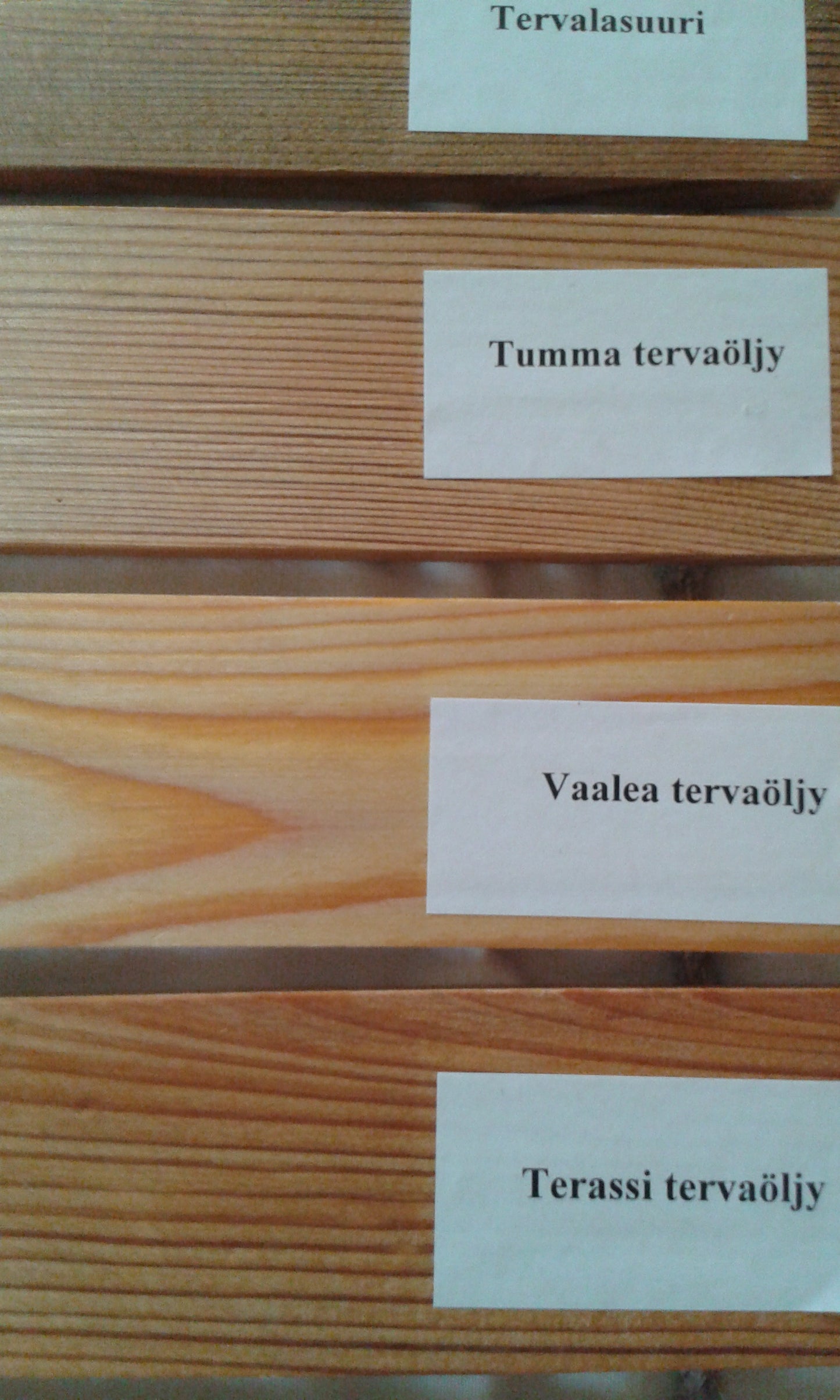
Tar oils are available as:
a) light, with a tar content of 10%-units.
b) dark, with a tar content of 30%-units.
c) tar glaze, with a tar content of 60%-units.
Applications and benefits of tar oil
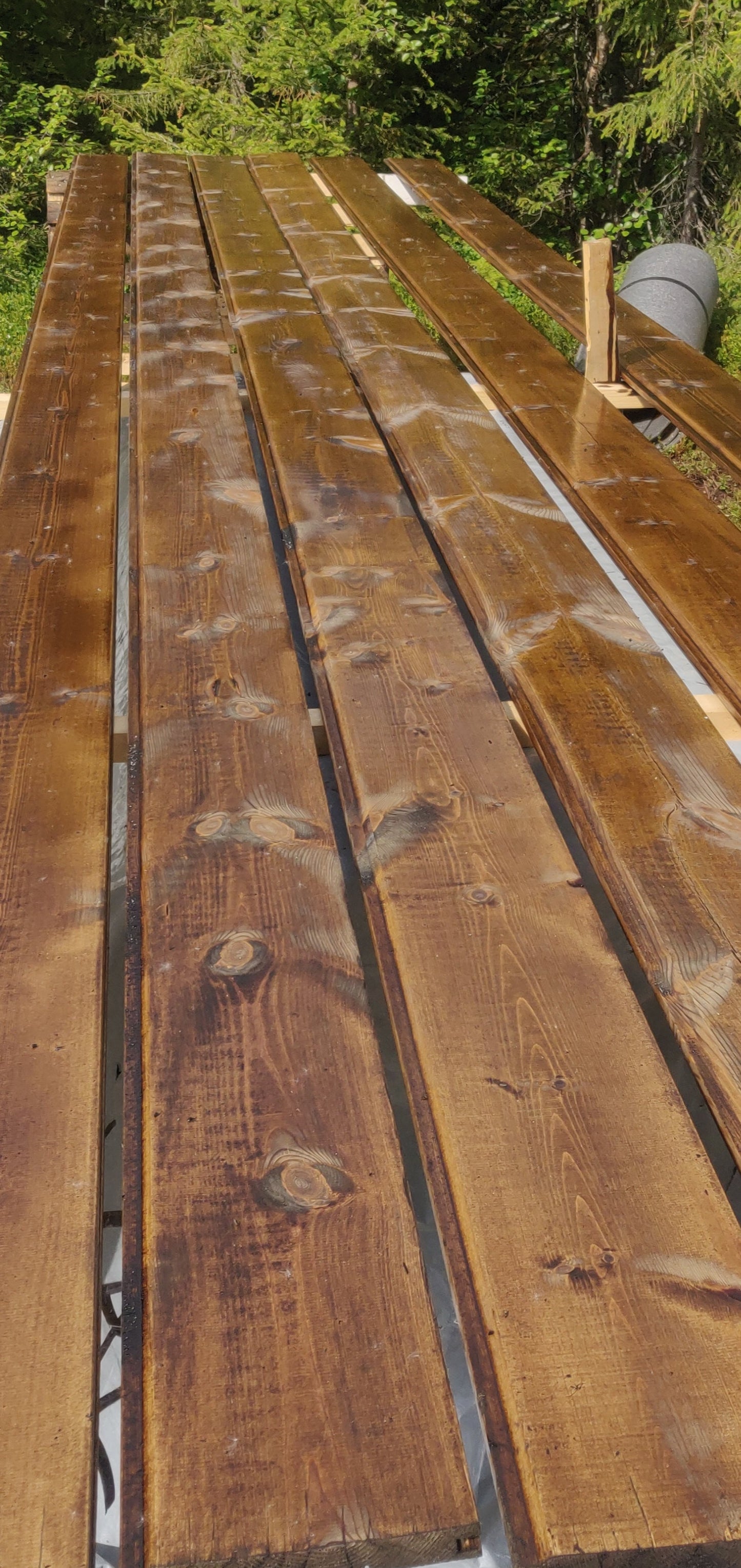
Puijon Terva's Tar Glaze is a natural wood preservative made from tar and boiled linseed oil, combining the protective properties of tar with the absorbency of linseed oil. It is particularly suitable for outdoor use, but also for interiors where a breathable and traditional surface treatment is desired.
🔹 Applications of tar oil and glaze
1. Wood structure protection and treatment
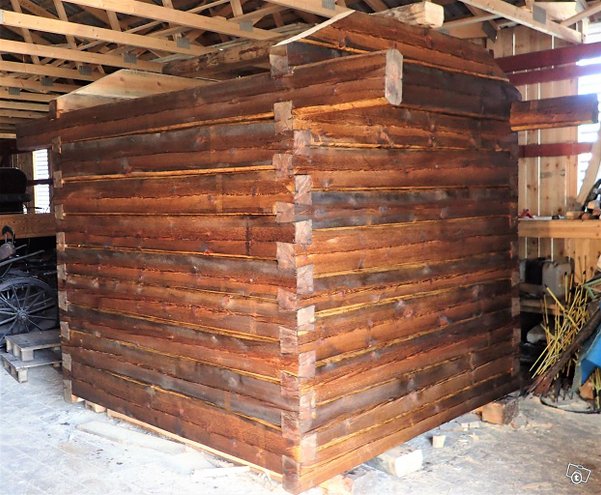
✅ Log homes and cabins – Protects against moisture, mold, and decay fungi.
✅ Cladding and fences – Water-resistant and breathable protection for exterior walls.
✅ Wooden roofs and roofing felt – Prevents moss growth and slows down material degradation.
✅ Terraces and yard structures – Provides natural protection against weathering.
2. Boats and docks
✅ Wooden boats – Protects against water and keeps the wood flexible.
✅ Docks and wooden shoreline structures – Slows down decay and protects against UV radiation from the sun.
3. Yard and outdoor areas
✅ Wooden fences and gates – Prevents rotting and gives a naturally beautiful finish.
✅ Wooden posts and poles – Absorbs deep into the wood, preventing rotting at ground level.
4. Interior treatment
✅ Floors and walls – Provides breathable protection, especially for old buildings.
✅ Furniture and wooden objects – Enhances the natural look of wood and protects the surface.
✅ Saunas and benches – To be used sparingly, as the smell of tar can be strong.
5. Hunting and animal care
✅ Skin protection for horses and cattle – Used for insect repellent and skin care.
✅ Hunting equipment (e.g., traps and wooden parts) – Provides weather protection and prevents mold growth.
🔹 Benefits of tar oil
1. Natural and ecological 🌿
✔️ Contains no harmful chemicals.
✔️ Breathable and biodegradable.
2. Protection against moisture, mold, and fungi 🛡️
✔️ Boiled linseed oil penetrates the wood and keeps it elastic.
✔️ Tar protects against mold and decay fungi.
✔️ Slows down wood cracking and drying shrinkage.
3. Durable and long-lasting ⏳
✔️ Its deep-penetrating formula protects wood for years.
✔️ Reduces maintenance needs compared to traditional paints.
4. Good appearance and natural shade 🎨
✔️ Highlights the wood grain and provides a beautiful brown shade.
✔️ Develops a beautiful patina over time.
5. Easy to maintain and renew 🔧
✔️ No need to remove old treatment – a new layer of tar oil is absorbed directly into the wood.
✔️ Does not chip or peel like paints.
Application of Tar Oil and Painting Conditions
Applying tar oil is quite simple, but the right conditions and application methods ensure the best results. Below are instructions for applying tar oil and choosing suitable weather conditions.
🔹 Tar Glaze Application Instructions
1. Surface preparation
🔹 Clean the surface thoroughly – Remove dirt, dust, mold, and any old surface treatments (such as peeling paint).
🔹 Dry wood absorbs best – The wood to be treated must be dry for proper tar oil absorption.
🔹 Light sanding (if necessary) – Improves oil absorption, especially on smooth and planed wooden surfaces.
2. Tar Glaze thinning (if necessary)
Tar oil is naturally quite thick, so it can be thinned to improve absorption:
✔️ Turpentine (5–20%) – Speeds up drying and improves absorption.
✔️ Linseed oil (10-20%) – Adds flexibility and reduces the risk of drying marks.
✔️ Heated tar oil – Lightly heated tar oil (approx. +40 °C) absorbs better without thinning. Heat, for example, in a hot water bath.
3. Application methods
✔️ Brush (recommended) – The best result is achieved by using a wide natural bristle brush, with which tar oil can be rubbed into the wood.
✔️ Rag or sponge – Suitable for small surfaces or finishing.
✔️ Spray (thinned only) – Possible, but the viscosity of tar oil may require significant thinning. We do not recommend using a spray gun.
Application technique:
✅ Apply a thin layer at a time – A thick layer dries slowly and easily remains sticky.
✅ Rub into the wood – Rubbing with a brush or rag aids absorption.
✅ Allow the oil to absorb thoroughly before the next coat – Typically 24–48 hours after the first application.
🔹 Painting conditions – when should tar glaze be applied?
1. Temperature
✔️ +10...+25 °C is the ideal application temperature.
✔️ In too cold conditions (+5 °C or below), tar oil solidifies and does not absorb properly. Must be heated.
✔️ In too hot conditions (+30 °C or above), tar oil can evaporate too quickly and dry unevenly.
2. Air humidity
✔️ 40–70% relative humidity is optimal.
✔️ Too dry air (below 30%) can cause too rapid drying and uneven absorption.
✔️ In too humid air (above 80%), tar oil dries slowly and may remain sticky.
3. Weather conditions
✔️ Dry and cloudy weather is best – in direct sunlight, tar oil can dry too quickly.
✔️ Avoid rain for the next 24 hours – Tar oil cannot withstand rain until it has fully absorbed.
✔️ Avoid strong winds – Wind can dry the surface before the oil has properly absorbed into the wood.
🔹 Drying and aftercare
⏳ Drying time depends on the conditions, but typically:
- Surface dry in 1–3 days.
- Completely dry in 1–3 weeks.
- Drying may slow down in cool or humid weather.
🛠 A second coat (if needed) can be applied once the first has absorbed properly, usually after 24–48 hours.
Jaa