Puijon Terva
Pine tar
Pine tar
Couldn't load pickup availability
WOOD TAR (PINE TAR, KILN TAR)
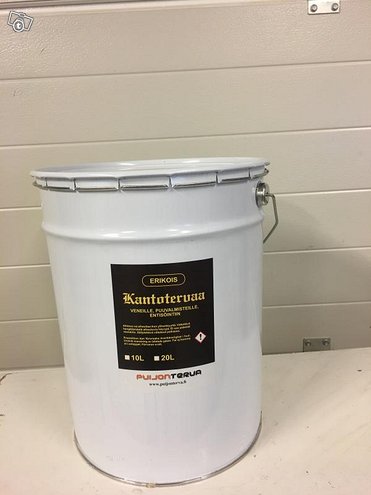
Puijo Terva's authentic kiln tar is a traditional and versatile wood preservative with a wide range of uses and several benefits. Its natural properties make it an excellent choice for building materials and other specialized applications. Wood tar is most commonly used in traditional building.
Applications of tar
1. Construction and protection of wooden structures
🔹 Log and wooden houses and cabins – Protects log and wooden walls from moisture, mold, and rot fungi.
🔹 Cladding and fences – Extends the lifespan of wood cladding and protects against weathering.
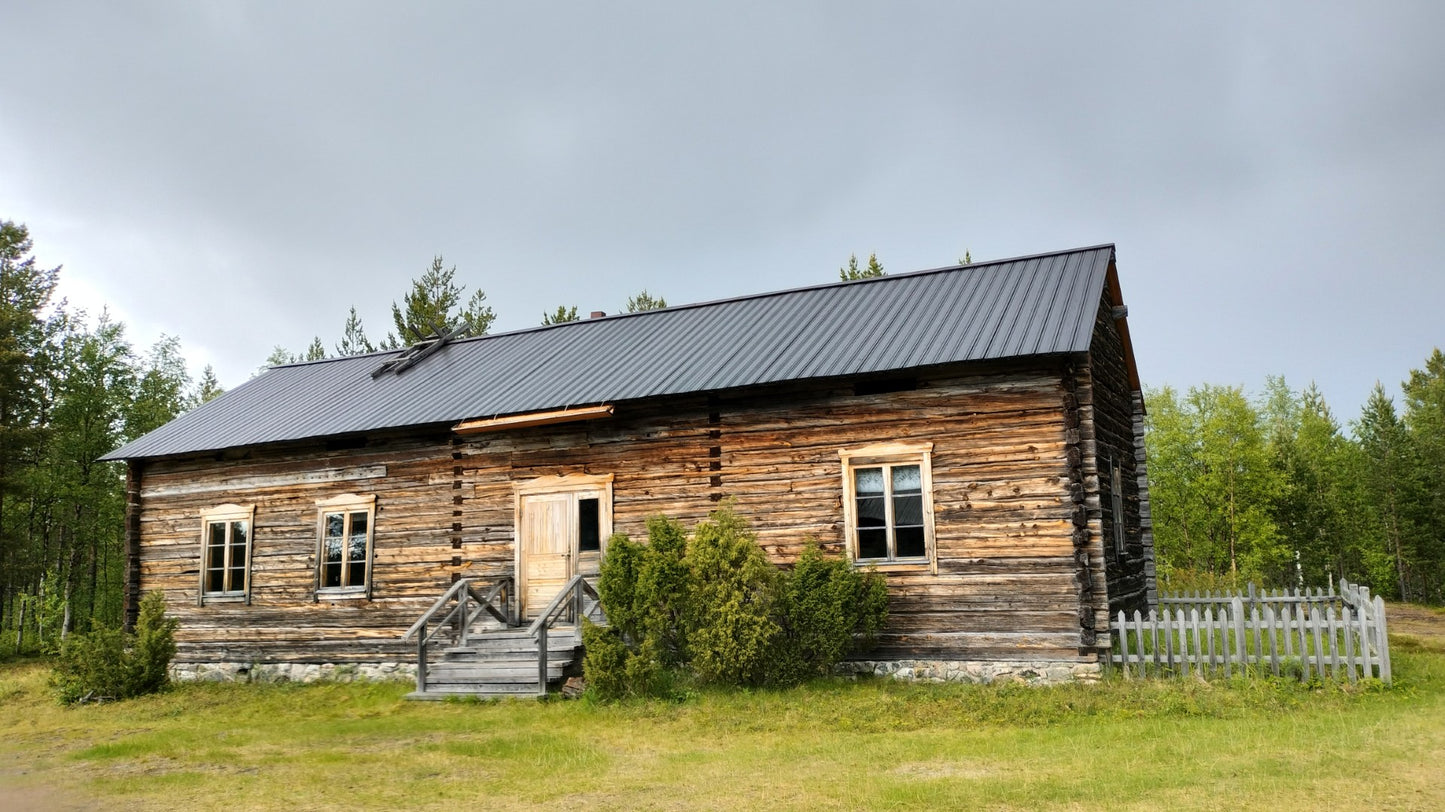
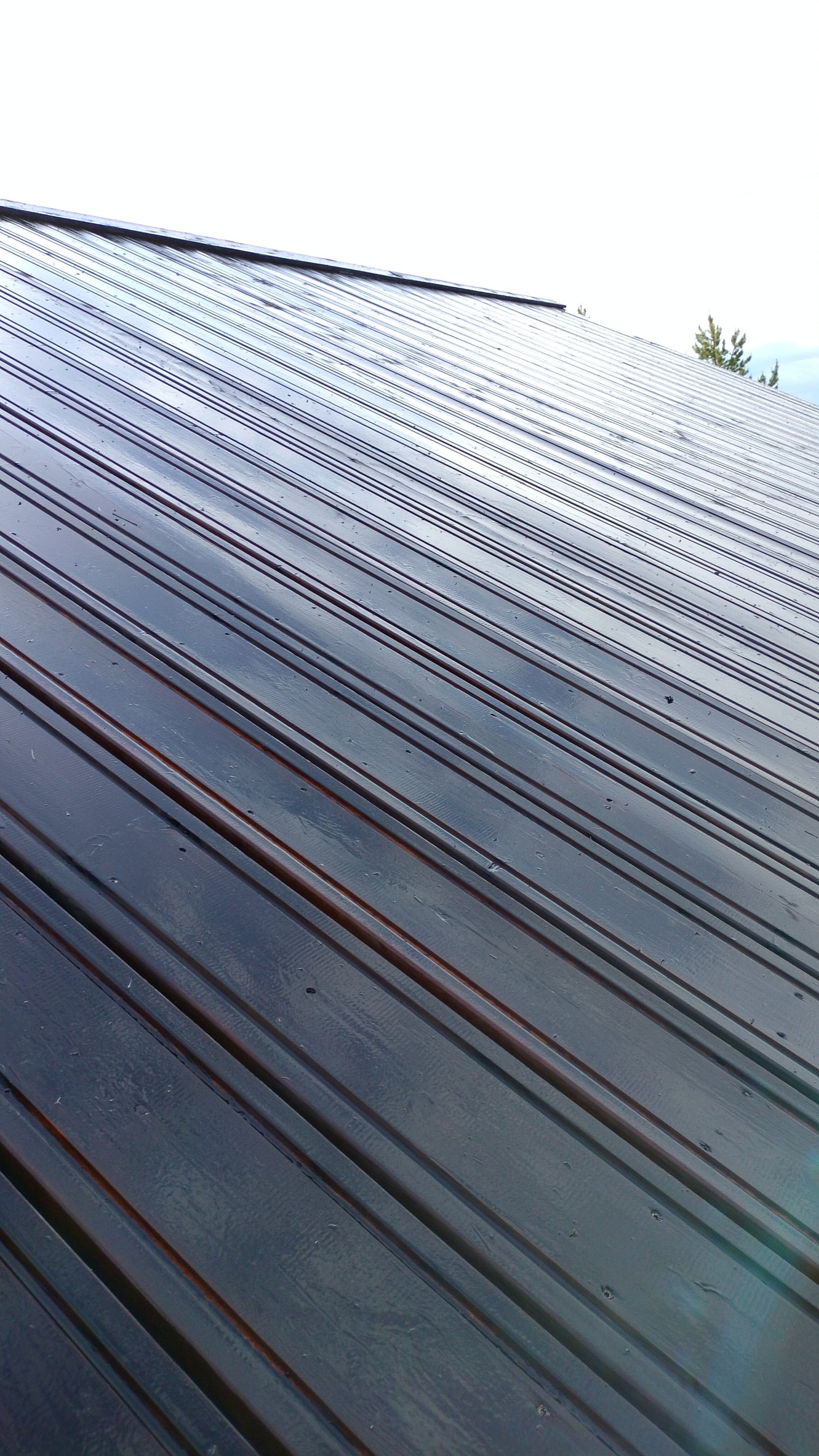
🔹 Wooden roofs and roofing felt – Impregnates the roof and prevents moss growth and deterioration.
🔹 Floors and wooden terraces – Provides protection against moisture and wear, especially when combined with linseed oil. See tar oils.
2. Boats and ships
🔹 Wooden-hulled boats – Tar makes the wood water-repellent and prevents the growth of rot fungi.
🔹 Ropes and sails – Tar treatment prevents mold formation and extends their lifespan.
🔹 Boat keels and mast structures – Protects against the effects of sea and fresh water.
3. Agriculture and forestry
🔹 Buildings, wooden poles and fences – Protects them from rot and insect damage.
🔹 Hunting and animal care – Tar is used as an insect repellent for horses and cattle, among others.
🔹 Beehives – In some cases, used for protection in beehives.
4. Crafts and traditional building
🔹 Wooden furniture – Provides natural protection and a beautiful patina.
🔹 Restoration of objects – Protection of traditional wooden structures and objects.
🔹 Musical instruments – Used especially in traditional folk instruments such as kantele and violins.
5. Personal use
🔹 Skin care – Traditionally used to treat skin conditions such as psoriasis and eczema.
🔹 Sauna fragrance – Gives the sauna a pleasant tar scent and simultaneously disinfects surfaces.
🔹 Insect repellent – Can be applied to skin or clothing to keep insects away.
Key benefits of tar
✅ Natural and ecological – Contains no harmful chemicals, fully biodegradable.
✅ Protection against insects and fungi – Repels harmful insects and prevents the growth of mold and rot fungi.
✅ Water-repellent – Improves wood's durability in moisture and varying weather conditions.
✅ Long-lasting effect – Wood remains in good condition for decades thanks to tar treatment.
✅ Aesthetic and traditional – Gives a beautiful brown shade and a traditional appearance that patinates over time.
Applying tar to a wooden surface is fairly straightforward, but a few important steps ensure a good result and long-lasting protection. Here are instructions for proper tar application:
Applying tar to a wooden object
1. Preparation
🔹 Surface cleaning – Remove dirt, dust, old peeling paint, and any mold by brushing or light sanding.
🔹 Moisture check – The wood should not be too moist, as tar will not penetrate properly. Optimal wood moisture is below 20%.
🔹 Weather considerations – Apply tar in dry and warm weather, preferably +5…+25 °C. In cold weather, the tar may be too thick and will not penetrate well. In this case, the tar needs to be heated (40-60°C).
In spring, low relative humidity (RH) affects the drying and absorption of tar in many ways. In spring, the relative humidity of the air can be quite low, especially on sunny and windy days, which affects the tar drying process.
2. Thinning the tar (if necessary)
Tar is naturally thick, so it can be thinned to ensure easier application and absorption.
🛢 Thinning options:
✔️ Linseed oil – Increases absorption and makes the surface more flexible.
✔️ Turpentine – Accelerates drying and improves penetration into the wood.
✔️ Heated tar – More fluid and easier to apply without thinning. Improves penetration into the wood. You can heat the tar by placing a closed container in a hot water bath for a sufficient amount of time.
3. Application methods
✔️ Brush – The best method as it allows the tar to be rubbed into the wood and ensures good absorption. Use a wide and stiff natural bristle brush.
✔️ Rag or sponge – Good for small surfaces and finishing.
✔️ Sprayer – Possible if the tar is thinned sufficiently, but can make a mess of the surroundings. We do not recommend using a sprayer.
Apply the tar in thin layers and rub it thoroughly in the direction of the wood grain.
4. Drying and absorption
🕒 Drying time:
- Tar absorbs in a few days, but drying can take 1–3 weeks depending on air temperature and humidity.
- Tar dries fastest in warm and sunny weather.
⏳ Reapplication:
- If the wood absorbs the tar quickly, a second coat can be applied after 1–2 weeks.
- Treatment should be renewed every few years, especially on surfaces exposed to the weather.
Tips for a successful result
✔️ Test on a small area first to ensure the right tar consistency and color.
✔️ Do not apply too much tar at once, as a too thick layer dries slowly and can remain sticky.
✔️ Remember ventilation if treating indoors – the smell of tar is strong and dissipates slowly.
✔️ Clean tools with wood turpentine or linseed oil before the tar hardens on them.
Delivery price list (domestic)
Order volume (l) delivery price (€)
0…10 8.00
10.1…20 10.00
20.1…40 15.00
40.1…80 20.00
80.1…100 25.00
100.1…150 30.00
>150.1 By agreement
Jaa