
The Breathability of Tar Paint vs. Acrylic Paint – A Comparison
Jaa
Breathability of Tar Paint vs. Acrylic Paint – A Comparison
When a Finnish wooden surface needs protection, the choice is often between two opposing worlds: traditional tar paint and industrial acrylic paint. Both have their merits, but one crucial factor distinguishes them: breathability.
In this article, we compare both types of paint from the perspectives of structure, moisture technology, longevity, and ecological friendliness – directly in light of practical experience and the laws of physics.
1. What is breathable paint?
Breathable paint allows moisture to pass through the paint film without getting trapped in the structures. This does not mean it is permeable to water during rain, but rather that the wood can evaporate internal moisture outwards.
If the paint surface is not breathable, moisture gets trapped – and that's when the cycle of rot, mold, and flaking begins.
2. Structure of Tar Paint – A Natural Diffusion Membrane
Traditional tar paint, made from wood tar and linseed oil, acts as a diffusion membrane: it allows water vapor to pass through, but not water itself. It does not form a plastic film, but rather "lives" with the wood.
Key features:
-
🟤 Breathable: wood stays dry
-
🟤 Renewable and biodegradable: no microplastics
-
🟤 Easily repairable: no need to remove old paint layers
-
🟤 Natural look and scent
"Tar paint is the wood's own skin – it breathes, protects, and renews naturally."
3. Acrylic Paint – A Sealed Plastic Film
Acrylic paint is based on synthetic resin components that create a tight film over the wood. This immediately gives a covering and durable impression, but at the same time blocks the wood's breathability.
Disadvantages:
-
⚠️ Not breathable → moisture remains inside the wood
-
⚠️ Easily flakes over the years
-
⚠️ Difficult to maintain: requires sanding or removal before repainting
-
⚠️ Contains microplastics and synthetic solvents
Many painters know: when acrylic paint starts to peel, the repair is extensive – and often surprises are found in the structures.
4. Longevity and Maintainability
| Paint Type | Lifespan | Maintainability | Practical Example |
|---|---|---|---|
| Tar Paint | 10–20 years | Easy additional coat, no sanding | Painting can last from generation to generation |
| Acrylic Paint | 5–10 years | Requires sanding or removal | Flakes, often requires a complete renewal |
5. Ecological Friendliness and Values
Tar paint is produced with a tradition based on wood, fire, and smoke. Its manufacturing does not require petrochemicals, and it does not pollute nature when it breaks down.
Acrylic paint is a product of the chemical industry – it requires oil-based ingredients and often contains plastic-based binders that cannot be recycled or composted.
6. When to Choose Tar Paint?
-
When you value naturalness and breathability
-
When you want a long-lasting, maintainable surface
-
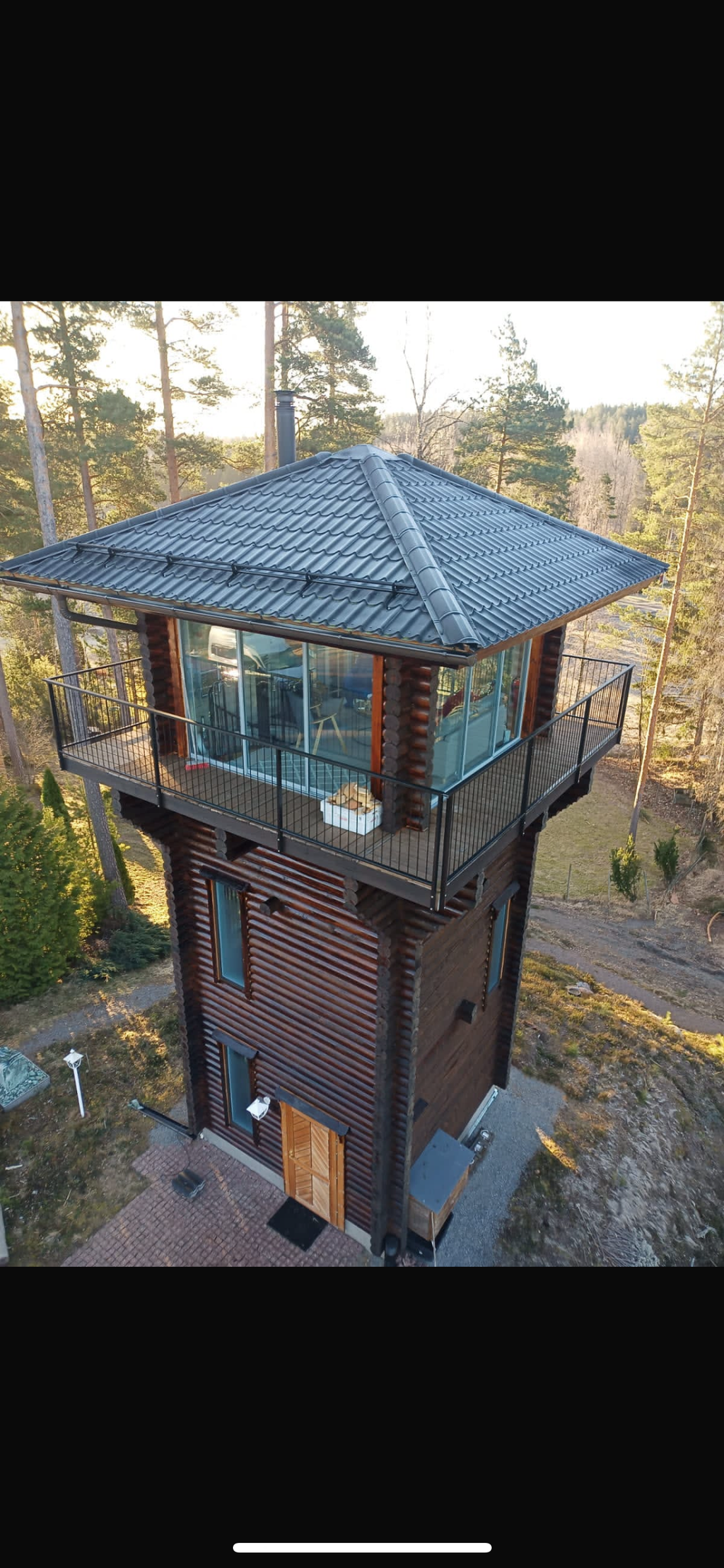
When painting a log house, annex, exterior wall, or old wooden surface
-
When you want to preserve the natural life of wood
Summary – Tar Paint Wins in Breathability
| Feature | Tar Paint | Acrylic Paint |
|---|---|---|
| Breathability | ✅ Yes | ❌ No |
| Naturalness | ✅ Fully | ❌ Artificial |
| Easy maintainability | ✅ Yes | ❌ No |
| Longevity | ✅ Long | ⚠️ Shorter |
Tar paint is not just paint. It is a union of tradition, nature, and common sense.
Puijon Terva offers tar paint made from Finnish wood – completely without additives.
Order from our online store or read more here: www.puijonterva.fi
🪵 When wood breathes, it lives. Let it live in tar – not in plastic.